
Greg Schreiter
Python Developer
Machine Learning & Data Science
Python Developer
Machine Learning & Data Science
I'm an AI Trainer and Python developer passionate about ensuring the quality and reliability of AI systems. At dataannotation.tech, I evaluate and refine cutting-edge AI models and Python code across a diverse range of projects. My work focuses on critically assessing AI-generated outputs, including code, algorithms, games, simulations, and general chatbot interactions, to ensure they meet the highest standards of correctness, groundedness and performance. When the tasks are more open-ended, I try to focus mostly on general ML/DL/AI topics.
Draw a single digit (0-9) below. This app was inspired by Yann LeCun's 1998 paper on handwritten digit recognition using convolutional neural networks. You may read more about the implementation details here: Building an In-Browser Digit Recognizer with TensorFlow.js
Draw a digit and click Predict.
Loading model...
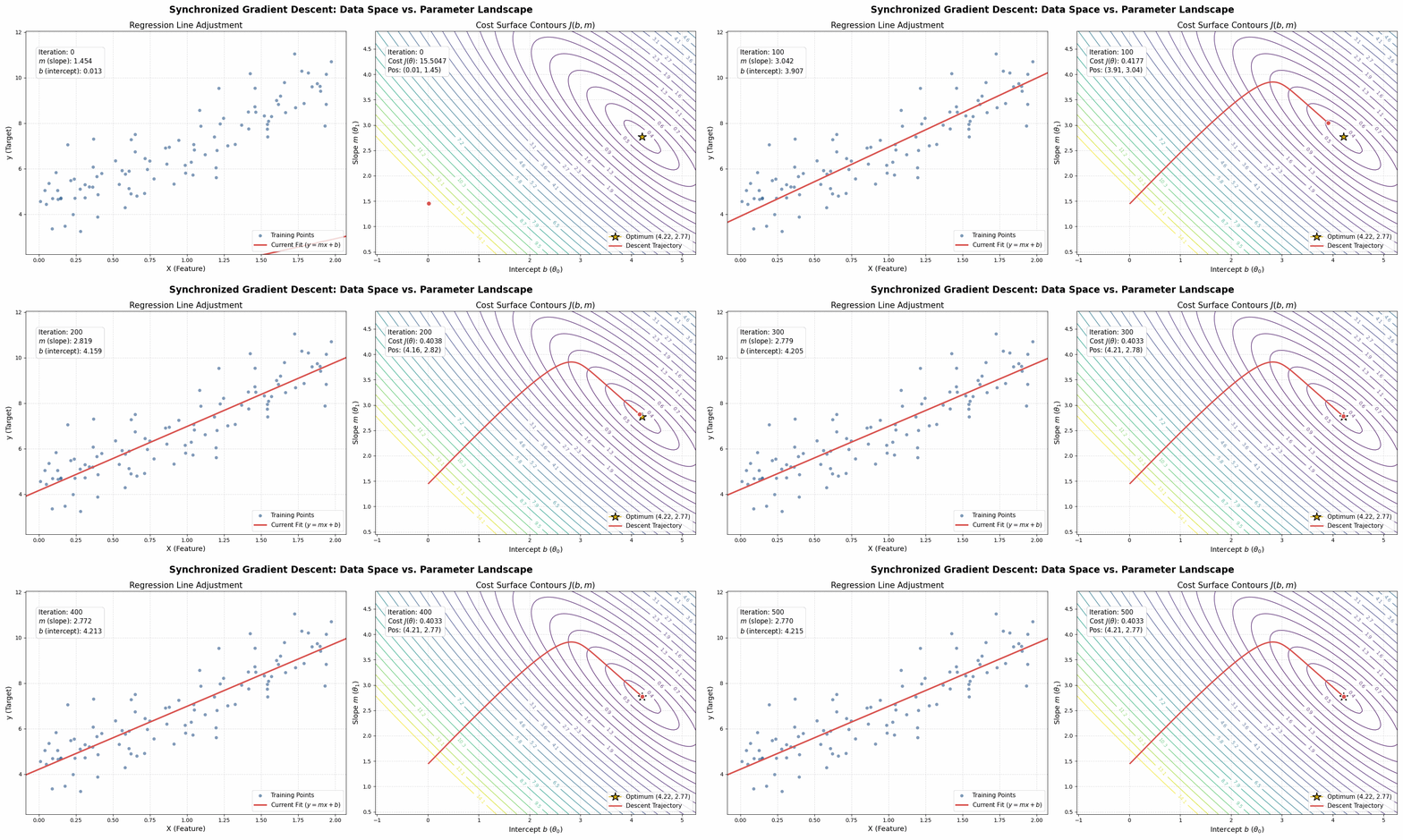
This visualization demonstrates batch gradient descent simultaneously optimizing slope (m) and intercept (b) to fit a linear dataset while navigating the 2D Mean Squared Error cost surface toward the analytical global minimum.
To explore the underlying mathematics, inspect the step-by-step vector calculations, or run the interactive code yourself, view the complete notebook: GradientDescentBasic.ipynb on GitHub →
I helped develop a machine learning model to predict diabetes diagnoses with up to 97% accuracy. This model analyzes patient health metrics such as gender, age, BMI, and blood glucose levels to identify potential diabetes cases. My primary contributions included building and evaluating Support Vector Machine (SVM), deep learning, and advanced decision tree models.
GitHub Repo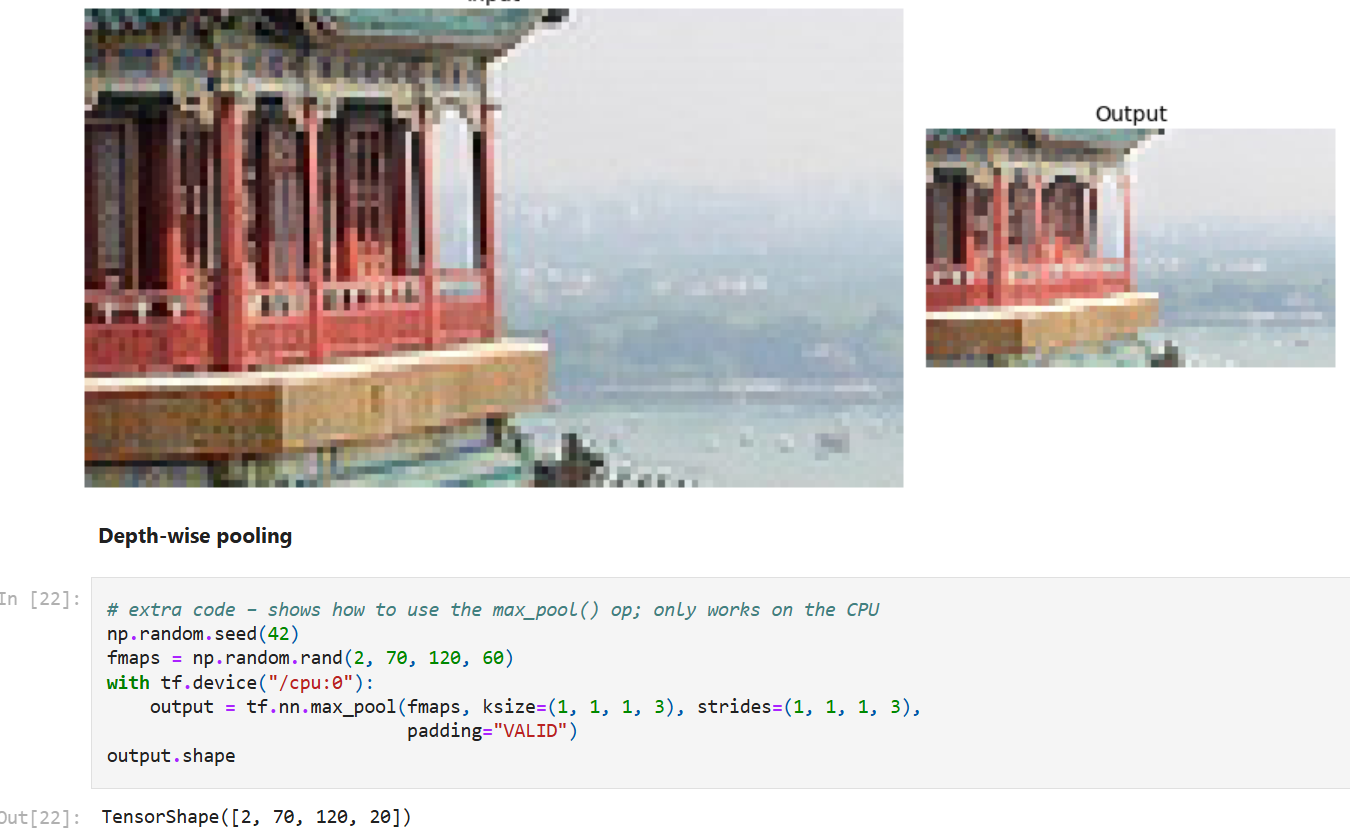
I completed reconstructing the notebooks for the main text of the book Hands-on Machine Learning (3e) by Aurélien Géron in April 2025. This book provides a comprehensive overview of modern machine learning methods using Python, with a special focus on convolutional and recurrent neural network architectures, as well as general deep and machine learning best practices.
GitHub Repo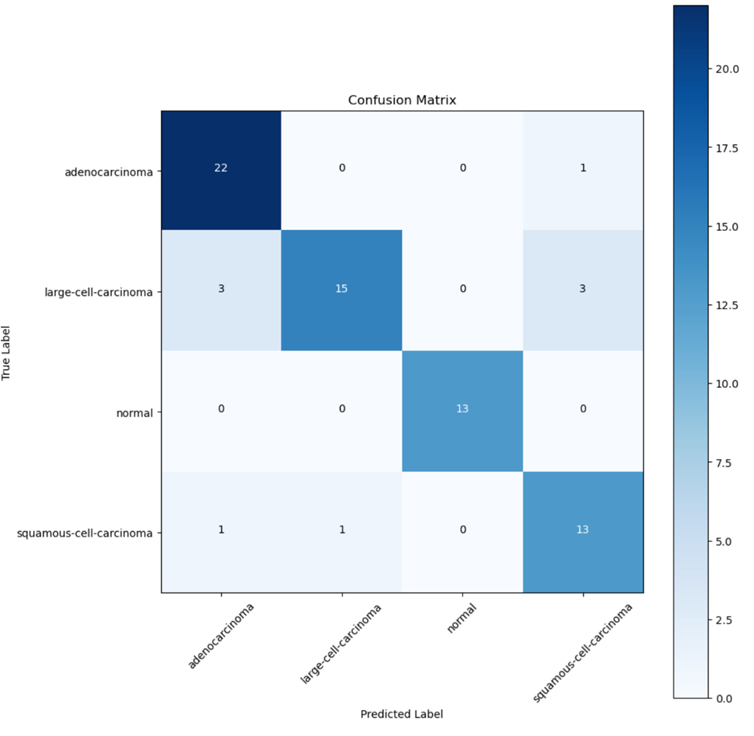
We built a convolutional neural network (CNN) to classify chest CT scans for cancer detection. We trained a CNN from scratch and then explored the benefits of transfer learning by leveraging pre-trained models to improve performance. Additionally, we investigated the potential benefits and drawbacks of using model ensembles.
GitHub Repo